

Understanding the Cultural Phenomenon of Mahjong
Mahjong is a captivating tile-based game that has its roots deeply embedded in Chinese culture. With a rich history and a growing international presence, the game continues to capture the interest of players worldwide, including in modern digital iterations like 777tiger. This intricate game combines skill, strategy, and a touch of chance, appealing to both novice players and seasoned veterans alike.
The Origins and History of Mahjong
Mahjong, known as "Mah Jongg" in some Western countries, is believed to have been developed during the Qing dynasty in China. While many legends surround its inception, the most popular theory suggests it was created by Chinese soldiers with the aim of passing time and improving strategic thinking. The game rapidly gained popularity in Shanghai's plush social circles before spreading across Asia.
The Structure and Elements of Mahjong
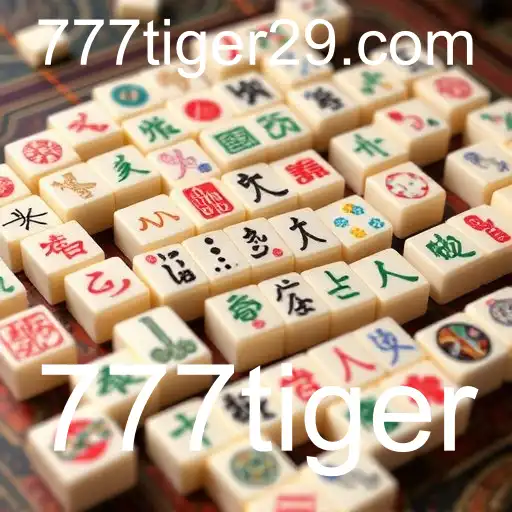
Mahjong is played with a set of 144 tiles based on Chinese characters and symbols, although regional variations exist. Typical tiles include suits (bamboo, characters, and dots), winds (east, south, west, north), dragons (red, green, white), and bonus tiles (flowers and seasons). The primary objective is to build valid sets (melds) of tiles that follow specific rules and conventions.
How to Play Mahjong
The game begins with players drawing and discarding tiles until they complete a winning hand. The essence of Mahjong relies on making strategic decisions, especially in understanding which tiles to retain, which to discard, and when to declare "Mahjong." Players must balance their hand while also attempting to deduce their opponents' strategies, adding layers of complexity and depth to gameplay.
Variations of Mahjong
Numerous variations of Mahjong exist, each with unique rules and tile sets. Examples include Hong Kong Mahjong, Riichi Mahjong (Japan), and American Mahjong. Each variation brings its own flair, attracting different player bases.
The Influence of Mahjong on Popular Culture
In recent decades, Mahjong has transcended traditional gameplay to become a cultural icon. It appears in films, television shows, literature, and more, reflecting its status as a cherished pastime. In the digital age, Mahjong has adapted to online platforms, allowing enthusiasts to enjoy the game on applications such as 777tiger. These digital versions make Mahjong accessible to a global audience, leading to a surge in popularity outside of Asia.
Mahjong's Psychological and Social Impact
Mahjong isn't just a game—it's a mind exercise that promotes cognitive skills such as memory retention and strategic thinking. Moreover, playing Mahjong fosters social interaction and community bonding, especially in family gatherings or cultural events.
The Future of Mahjong
With its continued evolution and the integration of technology, Mahjong will likely maintain its cultural significance while attracting new generations of players through platforms like 777tiger and others. It remains to be seen how emerging technologies, such as augmented reality and virtual reality, might further transform the Mahjong experience.